A Parent’s Guide to MARVEL Tōkon: Fighting Souls
MARVEL Tōkon: Fighting Souls At A Glance
- MARVEL Tōkon: Fighting Souls is rated T for Teen
- 20 of Marvel’s top heroes face off in four-on-four fighting action
- Mix and match teams of fighters and take them into battle in single-player and online multiplayer matches.
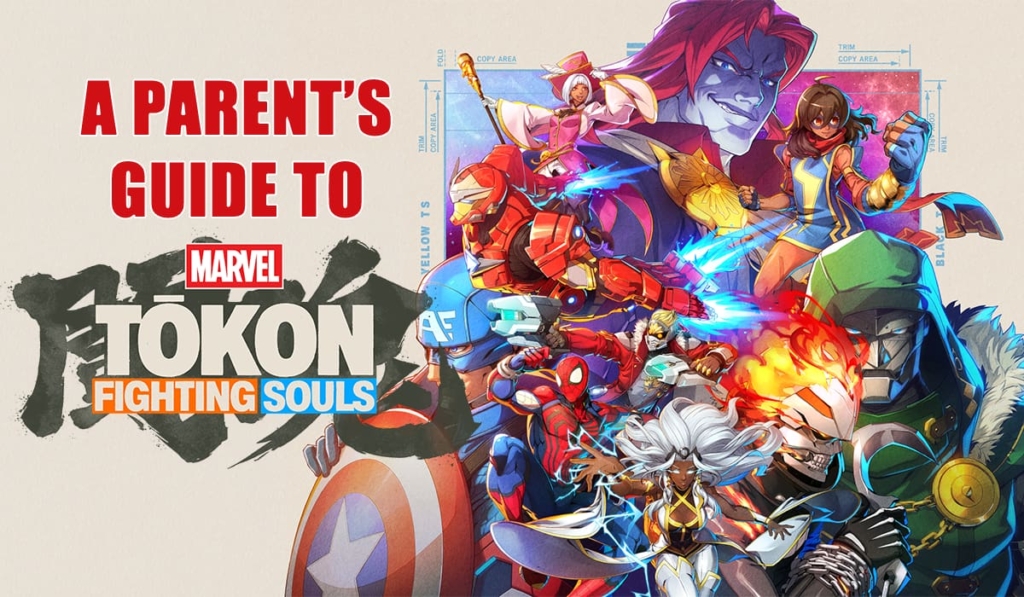
In MARVEL Tōkon: Fighting Souls, the Champion of the Universe descends upon the Earth, proclaiming that a fighting tournament featuring Earth’s mightiest heroes will commence. The winning team will face the Champion directly, and the fate of the world hangs in the balance.
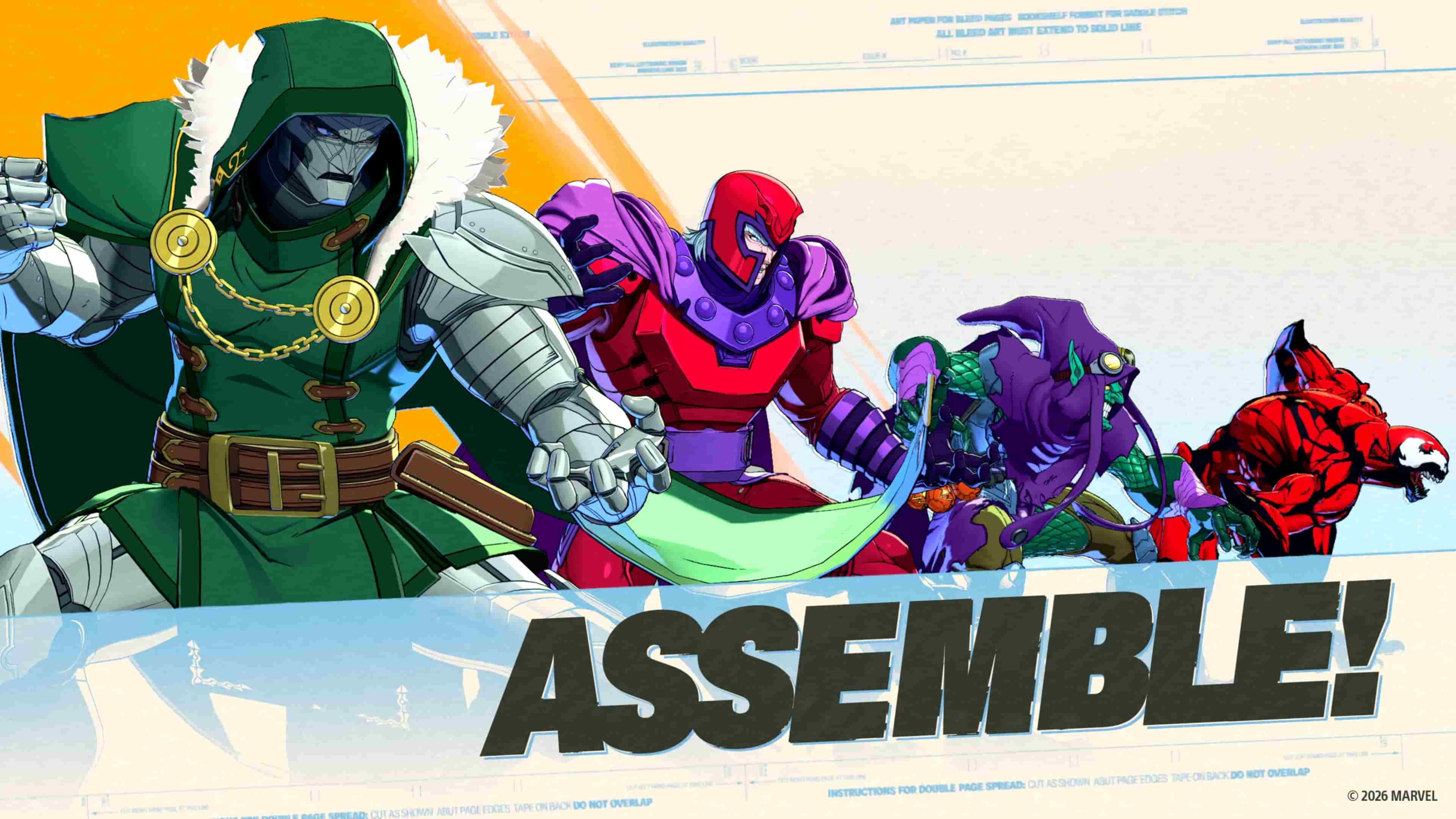
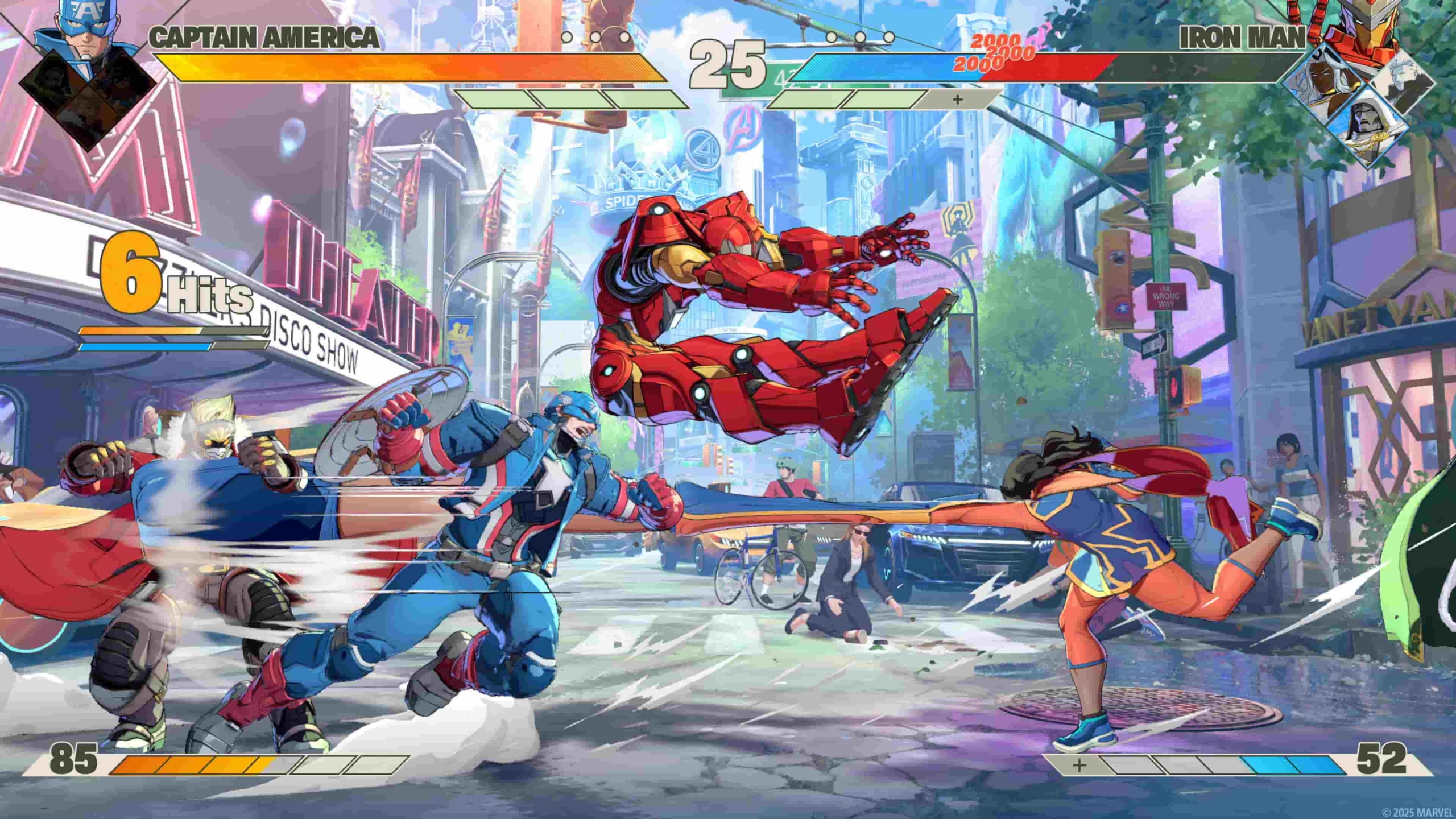
This is the concept of MARVEL Tōkon: Fighting Souls, and it’s why you’ll see longtime Marvel heroes like Spider-Man, Iron Man, Captain America, and Wolverine facing off against one another, along with villains like Doctor Doom and Carnage, in high-octane combat.
Marvel is no stranger to team-based fighting games, but Arc System Works is offering a new spin on the idea with four-on-four battles and a new, simpler control scheme that can be played offline or online with friends.
Is MARVEL Tōkon: Fighting Souls Appropriate for Kids?
MARVEL Tōkon: Fighting Souls is rated T for Teen with Content Descriptors for Blood, Language, Mild Suggestive Themes, and Violence. The game also features Interactive Elements, specifically Users Interact and In-Game Purchases, which indicates that the game can be played online against other users, and that an online marketplace exists for additional purchases.
The Violence descriptor speaks to the game’s fighting focus, and while there is some Blood, it is not prevalent during a match. According to the games Rating Summary, the Mild Suggestive Themes refer to the costumes worn by some of the fighters, while the Language descriptor includes some instances of foul language, including the use of “sh*t” and “a**hole.”
While ESRB has rated this game to be appropriate for teens from a content perspective, it’s worth pointing out that some may still struggle with the difficulty of the game. Like many fighting games, MARVEL Tōkon: Fighting Souls is relatively easy to pick up and play, but far more challenging to master… this is especially true when playing online, where some opponents may have worked the game’s mechanics out to a frame-perfect science.
Where Can I Play MARVEL Tōkon: Fighting Souls, and How Much Does It Cost?
MARVEL Tōkon: Fighting Souls is available on PlayStation 5 and PC. The base edition costs $59.99 both on physical discs and digitally via online marketplaces. There are two special editions, the Digital Deluxe Edition ($84.99) and Ultimate Edition ($99.99), which are only available online and include extra characters, costumes, and other accessories.
How Does MARVEL Tōkon: Fighting Souls Play?
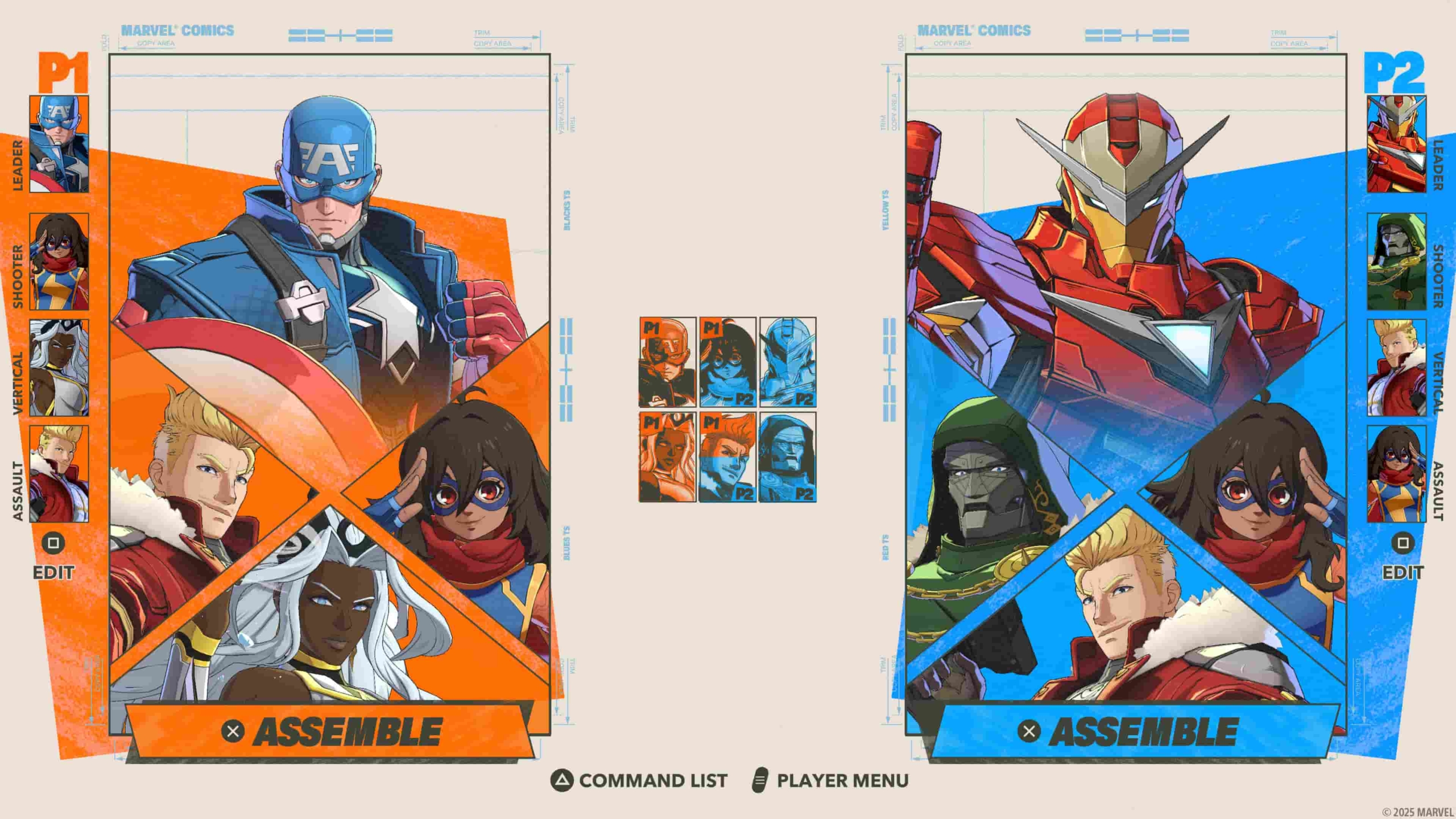
Players will choose four heroes and villains from throughout Marvel’s history from a cast of 20 available names (at launch). One will act as the “main” fighter, while the other three start the match as support characters.
By completing certain tasks in a match, players can “assemble” more of their team until all four teammates are available. Each team shares a single health bar, and when one team’s health bar reaches zero, the other team wins the round. When one team has secured the required number of rounds, they win the match.
MARVEL Tōkon offers multiple ways to play in both offline and online formats. However, figuring out which are online and which aren’t can be confusing. The single-player, offline modes are “Episodes,” which tells the overarching story of the game; Arcade and Tutorial, which include special challenge modes like Survival, Versus, and Training, can be found in the Battle section of the main menu.
Like many fighting games, MARVEL Tōkon: Fighting Souls is relatively easy to pick up and play, but far more challenging to master.
Online modes, meanwhile, are Ranked Match, Casual Match, and Room Match as found in the Battle section of the main menu. You can also head to Open Lobby, where players can customize an avatar and meet up with other players in a giant open lobby.
MARVEL Tōkon also includes online functionality with both friends and strangers in controlled settings. Some include randomly matching up with another player for casual or competitively ranked matches, while others require a special passcode in order to join a Room Match with friends.
The Online Lobby, meanwhile, shows other players’ avatars running around a controlled space. This mode does include a text chat feature, where players can write whatever they wish, so be wary of any foul language that may appear in that window.
Virtually every video game device includes parental controls that allow you to limit or block communications with other players. If you haven’t already, visit ParentalTools.org for step-by-step guides to activate.
Keeping Your Kids’ Tag-Team Battling Age-Appropriate
No matter which games your kids want to play, there are simple steps you can take to make sure they’re appropriate before they choose their fighters.
Starting with the ESRB rating is a helpful first step, but you’d like more information there are gameplay videos, reviews, previews, and more. A little bit of online research goes a long way.
You may also find it helpful to discuss as a family what is and is not appropriate in your house, and why. Coming at video games from a collaborative, non-judgmental position will signal to your kids that you respect what they like to play, and in turn you can explain why there are reasonable household rules around content, screen time, online play, and more. You can visit ESRB’s Family Gaming Guide for helpful conversation starters.
Lastly, don’t forget to back up those household rules with parental controls. As mentioned, ParentalTools.org includes guides to help you set controls around what your kids play, when and for how long, with whom, and whether they can spend money on new games or in-game purchases.
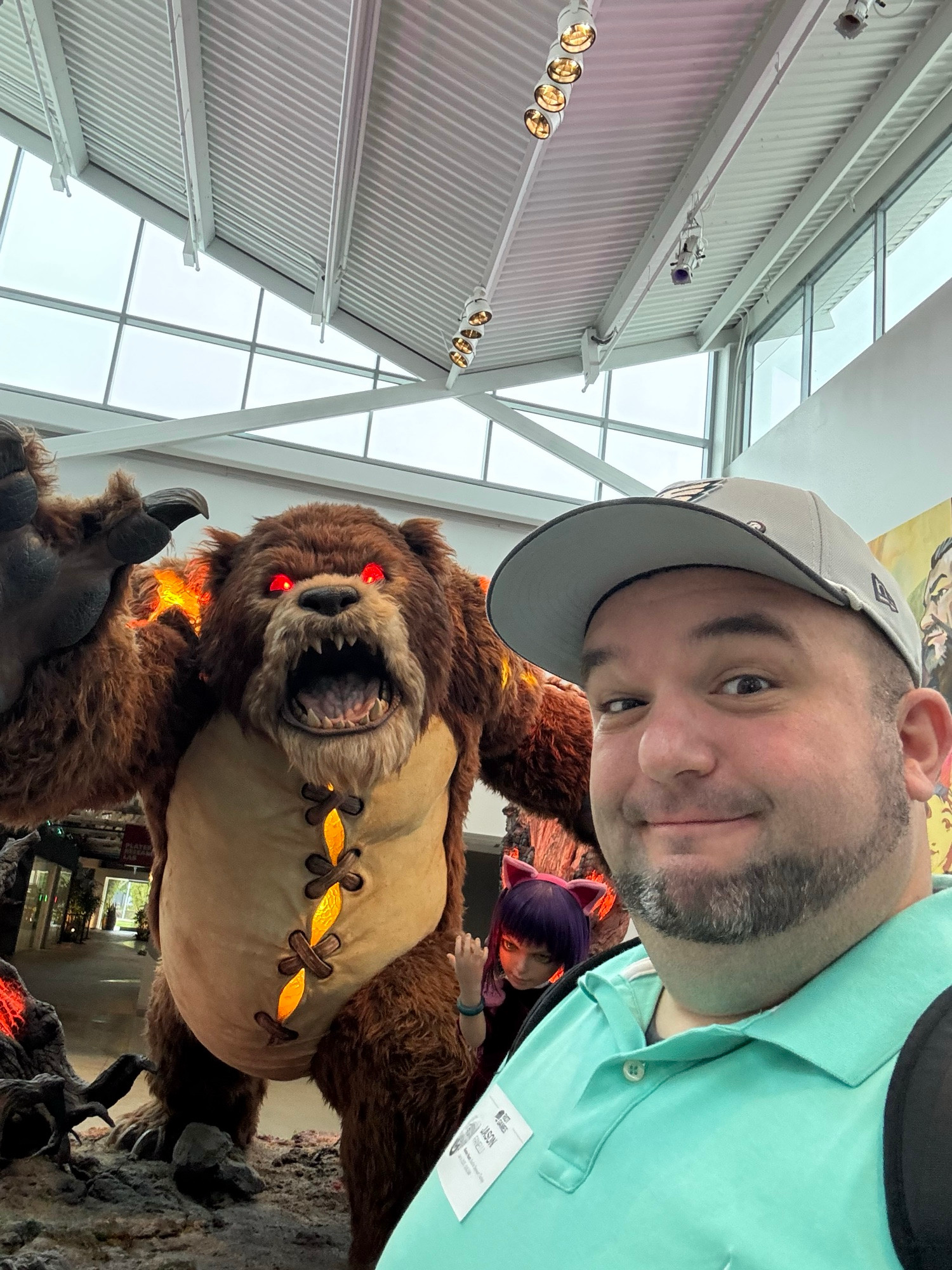 Jason Fanelli is a longtime games journalist and freelancer hailing from suburban Philadelphia. His bylines include Rolling Stone, Variety, The Hollywood Reporter, IGN, GameSpot, Giant Bomb, and more. He is a proud husband to Stephanie and father to two beautiful daughters, Olivia and Charlotte.
Related Articles
A Parent’s Guide to Marvel’s Wolverine
A Parent’s Guide to Mina the Hollower